

Navigating the Ever-Shifting Digital Ad Landscape
As a small or medium-sized business owner, you’re constantly juggling a million tasks. Marketing, especially online advertising, can feel like a complex maze. You know it’s crucial for growth, but with platforms changing, algorithms evolving, and new fads popping up constantly, it’s easy to feel overwhelmed. Are you investing your ad budget wisely? Are you reaching the right customers at the right time? This year, understanding the key online advertising trends isn’t just about staying current; it’s about ensuring your marketing efforts translate into tangible business results.
The Rise of AI-Powered Advertising and Automation
Artificial Intelligence (AI) is no longer a buzzword; it’s a fundamental driver of modern advertising. For SMEs, this means powerful tools are becoming more accessible, automating tasks that once required significant human effort and expertise. Think about campaign optimization: instead of manually adjusting bids, targeting parameters, and ad creatives daily, AI can now analyze vast amounts of data in real-time to make these adjustments automatically. Platforms like Google Ads and Meta Ads are heavily integrating AI into their systems. For instance, automated bidding strategies (like Target CPA or Maximize Conversions) leverage AI to find the most cost-effective opportunities for your business.
Beyond bidding, AI is also enhancing ad creative generation and personalization. Tools can help suggest ad copy variations, identify high-performing image styles, and even dynamically assemble ads tailored to individual user preferences. This doesn’t mean human oversight is obsolete. Instead, it frees up your team (or your agency partner) to focus on higher-level strategy, creative concepting, and understanding the nuances of your target audience, rather than getting bogged down in repetitive tasks. The key for SMEs is to embrace these AI-driven features, but to do so with a clear understanding of your business goals. Simply turning on automation without defined objectives can lead to wasted spend. It’s about guiding the AI with your expertise, not letting it run wild.
Hyper-Personalization and First-Party Data
In an era of increasing privacy concerns and cookie deprecation, the ability to connect with your audience on a personal level is paramount. Consumers expect more than generic ads; they want experiences that feel relevant and tailored to their needs. This is where hyper-personalization, fueled by first-party data, comes into play. First-party data is information you collect directly from your customers – think website interactions, purchase history, email sign-ups, and customer service logs.
For an SME, this might look like segmenting your email list based on past purchases to send targeted promotions for complementary products. On social media, you can use your customer lists to create Lookalike Audiences, finding new prospects who share characteristics with your best existing customers. The trend is moving away from broad targeting towards much more granular segmentation. Imagine a local bakery. Instead of running a generic ad for “cakes,” they could use their customer data to run a campaign targeting people who previously bought birthday cakes with a special offer for anniversary cakes, or promoting gluten-free options to customers who have previously inquired about or purchased them. This level of personalization significantly boosts engagement and conversion rates because the message resonates more deeply. Building a robust first-party data strategy is no longer optional; it’s essential for effective advertising in the coming years.
The Dominance of Video Content and Short-Form Video
Video continues its reign as the most engaging content format online, and this trend shows no signs of slowing down. For SMEs, this presents a fantastic opportunity to showcase products, tell brand stories, and connect with audiences on an emotional level. Short-form video, popularized by platforms like TikTok and Instagram Reels, has become particularly dominant. These bite-sized videos are highly shareable, easily digestible, and capture attention quickly in a crowded digital space.
Consider a small e-commerce business selling handmade jewelry. Instead of a static product image, they could create a Reel showing the intricate crafting process, a quick “day in the life” of the designer, or a styling video demonstrating how to wear different pieces. These videos don’t need Hollywood production values; authenticity often performs best. User-generated content (UGC) within video formats is also incredibly powerful. Encouraging customers to share videos of themselves using your product and then repurposing that content (with permission, of course) can build immense trust and social proof. Even on platforms like YouTube, while longer-form content has its place, short-form ads and optimized video snippets are proving highly effective for capturing initial interest and driving traffic. Investing in video, even with basic smartphone equipment and simple editing apps, can yield significant returns.
Exploring New Platforms and Niche Audiences
While Google and Meta remain giants in the online advertising world, diversifying your platform strategy can unlock new growth avenues. As established platforms become more competitive and ad costs potentially rise, exploring emerging or niche platforms can be a smart move for SMEs. Think about platforms relevant to your specific industry or target demographic. For example, if you sell B2B software, LinkedIn advertising is likely a core component. But have you considered niche industry forums, specialized online publications, or even podcast advertising where your target audience congregates?
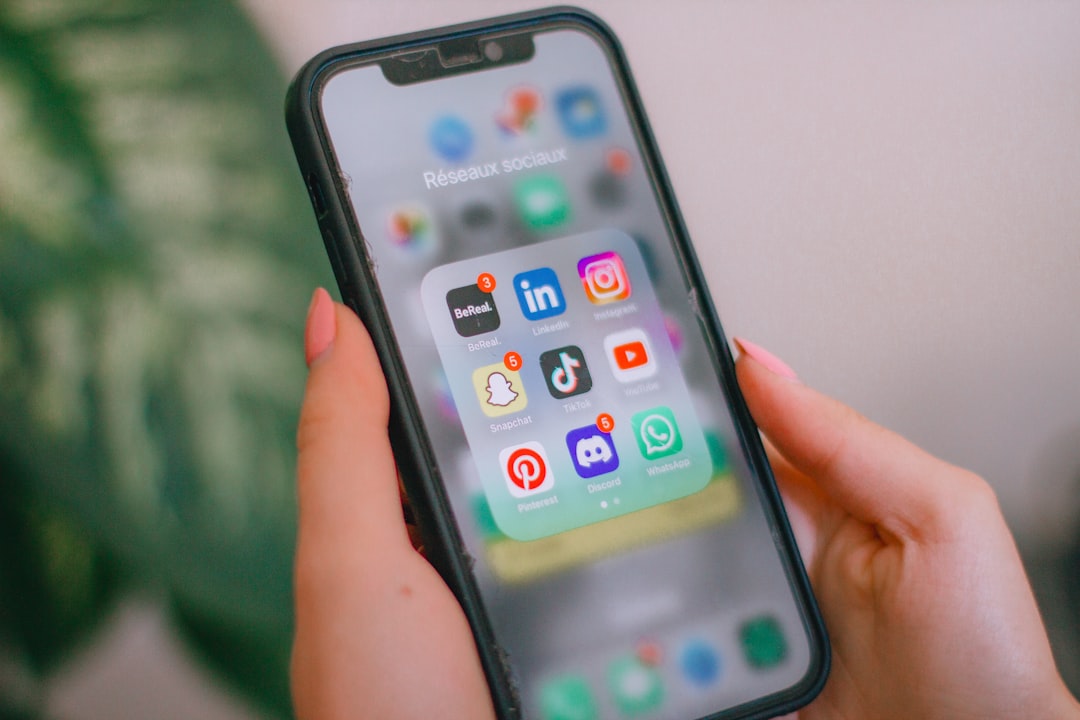
TikTok, while often associated with a younger demographic, is rapidly expanding its user base across age groups and is a powerful platform for brand discovery. Pinterest is excellent for visually driven products and has a strong user base actively looking for inspiration and products to buy. Even platforms like Reddit, with its highly engaged communities, can offer unique advertising opportunities if approached thoughtfully and authentically. The key here is research. Understand where your ideal customer spends their time online beyond the usual suspects. A small craft brewery, for instance, might find success advertising on local foodie blogs, craft beer enthusiast forums, or even sponsoring local events promoted through targeted social media campaigns on platforms relevant to those communities. Don’t be afraid to experiment, but do so with a clear hypothesis and measurable goals.
The Importance of Measurement and Optimization
Finally, no discussion of advertising trends is complete without emphasizing the critical role of measurement and ongoing optimization. The digital advertising landscape is dynamic, and what works today might need adjustment tomorrow. For SMEs, this means having clear Key Performance Indicators (KPIs) and regularly tracking them. Are you focused on website traffic, lead generation, direct sales, or brand awareness? Your KPIs should align directly with these goals.
Tools like Google Analytics, platform-specific ad managers, and even simple spreadsheets can help you monitor performance. Look beyond vanity metrics like impressions and focus on metrics that impact your bottom line, such as Cost Per Acquisition (CPA), Return On Ad Spend (ROAS), and conversion rates. A common mistake SMEs make is setting up campaigns and then forgetting about them, assuming they’ll just perform. Continuous A/B testing of ad creatives, landing pages, and targeting parameters is crucial. For example, if you’re running a Facebook ad campaign for a local service business, you might test two different headlines, two different images, and two different calls-to-action on your landing page to see which combination yields the best results. Optimization is not a one-time task; it’s an iterative process of analyzing data, making informed adjustments, and refining your strategy to maximize your return on investment.
Staying Ahead in the Digital Ad Game
The world of online advertising is constantly evolving, but by focusing on key trends like AI-powered automation, hyper-personalization with first-party data, the power of video, exploring new platforms, and rigorous measurement, SMEs can build more effective and efficient marketing strategies. These trends offer significant opportunities to connect with customers, drive growth, and achieve your business objectives.
Navigating these changes can be complex, but you don’t have to do it alone. If you’re looking to refine your online advertising strategy and ensure your budget is working as hard as possible for your business, we’re here to help. Contact TrustsFly today for a no-obligation consultation and let’s explore how we can elevate your digital marketing efforts.
Photo by Redd Francisco на Unsplash

 Russian
  English
  Chinese
  Dutch
Dutch  French